
Overview of P90X Workout Schedule PDF
The PDF presents a concise, week‑by‑week layout of P90X’s 90‑day regimen. It lists each session’s focus—strength, cardio, yoga, or plyometrics—alongside reps, sets, and rest intervals. Users can annotate progress, note weights, and track band colors for a comprehensive log. Grab the free PDF and start tracking.

What the PDF Contains
The downloadable PDF provides a comprehensive, day‑by‑day layout for the full 90‑day P90X program, with each page detailing the workout type, targeted muscle groups, prescribed sets and repetitions, and recommended rest intervals. A dedicated column allows users to log the exact weight lifted or the color of the resistance band used, ensuring precise tracking of strength gains over time. The schedule includes a weekly summary table that records completed sessions, rest days taken, and a free‑form area for notes on fatigue, soreness, or injury, helping users adjust intensity as needed. Designed for A4 printing, the file features a clean, legible font and generous margins for handwritten entries, making it ideal for both digital and paper use. The ZIP archive contains the PDF, a Word version for editing, and a plain‑text version for quick reference, giving users flexibility in how they interact with the plan. An online, browser‑friendly view is also available, highlighting the day of the week and the current phase, which simplifies navigation for those who prefer a digital format. Updated annually to reflect any changes in workout routines or equipment recommendations, the PDF is free to download from the official P90X website, ensuring that all participants have access to the most current version. By following this schedule, users can systematically progress through the three four‑week phases—each with a distinct focus—while maintaining a clear record of performance, enabling them to stay on track toward their fitness goals and adjust their training load based on real‑time data. The file size is modest, typically under 2 MB, allowing for quick downloads even on slower internet connections. Compatibility is broad; the PDF opens on Windows, macOS, iOS, Android, and Linux systems without the need for additional software. The layout includes subtle color coding for different workout categories, which helps users quickly identify cardio, strength, yoga, and plyometric sessions at a glance. Users can also export the schedule to a spreadsheet if they prefer digital tracking, and the template is fully editable, so advanced users can customize it to fit personal preferences or specific training goals. Overall, the PDF serves as a versatile, user‑friendly tool that blends detailed instruction with practical tracking features, making it an essential resource for anyone embarking on the P90X journey. Start your transformation today.!!

Why It Is Useful for Beginners and Advanced Users
Beginners find the PDF invaluable because it lays out a structured, 90‑day progression that demystifies the program’s intensity. Each day is clearly labeled with the workout type—strength, cardio, yoga, or plyometrics—allowing new users to anticipate the focus and prepare accordingly. The built‑in rest days prevent overtraining, while the progressive overload guidelines help users gradually increase weight or resistance. The log columns for reps, sets, and band color serve as a simple progress tracker, letting novices see tangible gains without advanced analytics. Seasoned athletes appreciate the PDF’s flexibility. Advanced users can swap sessions within the same phase or extend the volume of a particular muscle group by adding extra sets, thanks to the open‑ended “notes” area. The color‑coded workout categories enable quick identification of high‑intensity days, facilitating strategic periodization. Moreover, the PDF’s compatibility with Word and spreadsheet programs lets experienced trainers integrate the plan into custom coaching dashboards or mobile apps. Both groups benefit from the universal format: a single, printable document that can be annotated, photocopied, or shared digitally. The inclusion of a “weekly summary” table encourages accountability, while the “free‑form” section invites users to record subjective metrics such as perceived exertion or recovery status. By combining these features, the PDF serves as a versatile tool that scales from a beginner’s first workout to an advanced athlete’s fine‑tuned regimen, ensuring consistent progress and sustained motivation. This comprehensive resource empowers users at every level to achieve measurable results, adapt to changing goals, and maintain long‑term engagement with the P90X system.

Downloading and File Formats
Download the P90X schedule in multiple formats: PDF for printing, Word for editing, TXT for quick reference, or view it online. All versions are free and accessible from the official site. Choose the format that best fits your workflow and start tracking your progress today. Click the link to choose format!! download.
Free PDF Download Options
Access the complete P90X Classic workout schedule in PDF format at no cost. The official fitness portal offers a direct download link that serves a ready‑to‑print document containing the full 90‑day plan, broken into three progressive phases. Users can click the “Download PDF” button, which initiates a quick transfer of the file to any device—desktop, tablet, or smartphone—without the need for additional software. The PDF is optimized for both screen viewing and paper printing, featuring clear tables, exercise icons, and space for personal notes. For those who prefer an offline copy, the file can be saved to cloud storage or an external drive, ensuring uninterrupted access even when internet connectivity is limited. The download process is straightforward: simply navigate to the schedule page, locate the PDF icon, and confirm the download. No registration or email submission is required, making it convenient for both new and seasoned users. Once downloaded, the PDF can be opened with any standard viewer such as Adobe Reader, Preview on macOS, or the built‑in viewer on Windows. This free resource allows athletes to maintain a structured routine, track progress, and stay motivated throughout the entire 90‑day journey.
After downloading, bookmark the PDF link for quick future access. Upload the file to Google Drive, OneDrive, or Dropbox to keep it searchable and shareable across devices. For print‑ready use, choose a high‑resolution printer or a PDF‑to‑PDF converter to preserve formatting.
Save the PDF to your device for offline use anytime now.
Alternative Formats: Word, Text, Online View
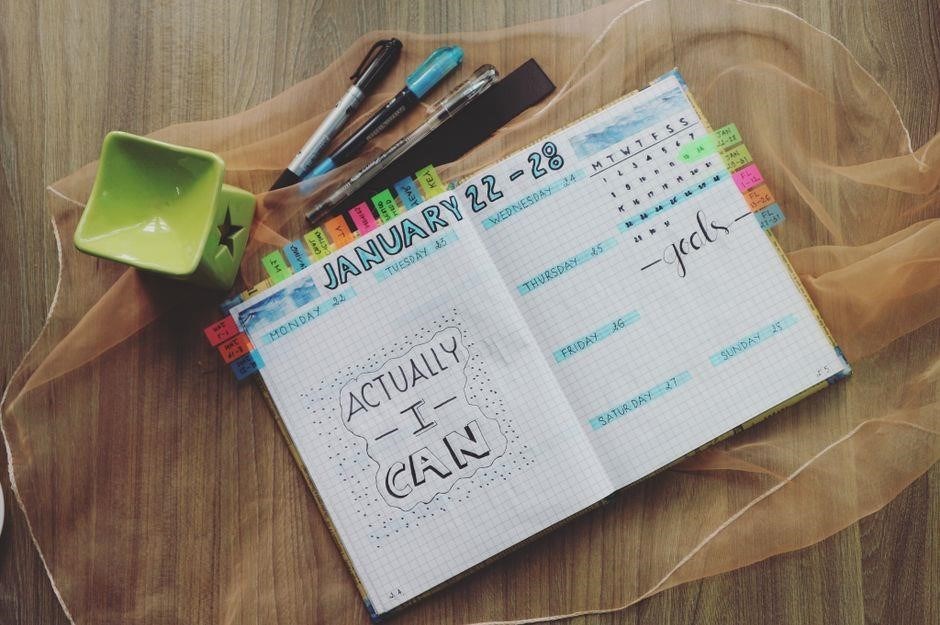
The schedule is also available in several other convenient formats to suit different preferences and devices. A Word document (.doc or .docx) version can be downloaded from the same page; it preserves the table layout and allows you to edit the text, add your own notes, or adjust the font size before printing. For those who prefer a lightweight, plain‑text version, a .txt file is offered. This version strips all formatting but keeps the workout list, dates, and rep counts in a simple, searchable format that can be opened in any text editor or imported into spreadsheet software for custom tracking. Additionally, an online view is provided, which renders the schedule directly in your browser. This web‑based format is interactive: you can click on each day to expand the exercise details, print the page, or bookmark specific weeks for quick reference. The online view also supports responsive design, making it easy to read on phones, tablets, or laptops. Users who want to share the schedule with a trainer or a workout partner can copy the URL of the online view or export the page as a PDF from the browser’s print dialog. All three formats are free, and the site updates them regularly to reflect any changes or new editions of the P90X program. By offering Word, Text, and Online options, the program ensures that every user can access the full 90‑day plan in the format that best fits their workflow and technology setup. If you prefer to track progress directly within the document, the Word version includes pre‑filled tables where you can input reps, weights, and band colors. The plain‑text file is ideal for those who use command‑line tools or want to import the data into a custom database. The online view supports dark mode for low‑light workouts and can be printed in a single‑page summary for quick reference during a session. Users can also download the schedule as a PDF from the online view by selecting the print option and choosing “Save as PDF.” This ensures that the formatting remains intact across all devices. The website also offers a mobile app that syncs with the online schedule, allowing you to receive push notifications for upcoming workouts and to log your progress on the go. All formats are synchronized, so any updates made to the schedule are reflected across Word, Text, and the online view simultaneously. This seamless integration makes it easy to stay on track without juggling multiple files or versions.

Structure of the 90-Day Program
The 90‑day P90X schedule is split into three 4‑week phases, each building on the previous. Phase 1 targets upper body, yoga, and plyometrics; Phase 2 adds lower body and core; Phase 3 focuses on conditioning, cardio, and advanced strength. Rest days are interspersed weekly. Each week ends with a recovery session,ensuring
Three Phased Schedule Explained
The P90X Classic PDF is organized into a 90‑day program that unfolds across three distinct four‑week phases, each designed to progressively elevate intensity, complexity, and overall fitness gains. Phase 1, the foundational block, focuses on upper‑body strength, core stability, and mobility. Within this phase, the schedule alternates between chest‑back, shoulder‑arm, yoga, and plyometric sessions, ensuring that the athlete develops proper movement patterns, muscular endurance, and joint flexibility. The emphasis on mobility and core work lays the groundwork for the more demanding workouts that follow.
Phase 2 transitions the program toward lower‑body power and conditioning. Leg days, plyometrics, and core routines are intensified, while upper‑body work continues to refine strength. The schedule introduces higher volume, more complex exercises, and increased load, challenging the athlete to adapt to greater demands. This phase is critical for building the strength and resilience required to tackle the most demanding workouts in the final block.
Phase 3 is the culmination of the 90‑day journey, concentrating on peak conditioning, cardiovascular endurance, and advanced strength. The schedule incorporates high‑intensity interval training, martial‑arts‑style circuits, and full‑body workouts that push cardiovascular limits and maximize calorie burn. Each phase concludes with a dedicated recovery day, allowing for muscle repair, reduced injury risk, and mental rejuvenation. By the end of Phase 3, athletes experience a comprehensive transformation in strength, stamina, and overall body composition, having systematically progressed from foundational movement patterns to elite conditioning.

Weekly Workout Distribution and Rest Days

The P90X Classic PDF delineates a precise weekly cadence that balances high‑intensity sessions with essential recovery. Each week consists of six workout days, typically arranged as follows: Day 1 – Chest & Back, Day 2 – Shoulders & Arms, Day 3 – Plyometrics, Day 4 – Yoga, Day 5 – Core & Conditioning, Day 6 – Martial Arts or Full‑Body. The seventh day is reserved for rest or active recovery, ensuring muscle fibers have time to repair and adapt. This structure repeats across all three 4‑week phases, with subtle variations in volume and intensity. For example, Phase 1 introduces foundational movements, Phase 2 ramps up load and complexity, and Phase 3 pushes the athlete into peak conditioning. The PDF also provides optional “light” days for those needing a softer load, as a gentle yoga flow or a short cardio session, which can be swapped in place of a full workout without disrupting the overall progression. By adhering to this weekly rhythm, users maintain a consistent stimulus while mitigating overtraining risk. The rest days are strategically placed after the most demanding sessions—often after the Plyometrics or Martial Arts day to allow for optimal recovery before the next cycle. This disciplined approach underpins the program’s ability to deliver measurable strength, endurance, and body‑composition improvements over the 90‑day span. Participants who follow the weekly cadence and honor rest days often report increased muscle tone, cardiovascular stamina, and a heightened sense of mental clarity, making the 90‑day journey transformative and sustainable!!

Tracking and Progress Sheets
The PDF’s tracking sheets let you log reps, sets, and weights for each exercise. Color‑coded band indicators help track resistance levels. Weekly summaries highlight progress, while a cumulative log tracks overall gains, ensuring you stay on target throughout the 90‑day program. Track fatigue to tweak load adjust reps!!!
Using the Provided Worksheet for Reps and Weights
The P90X PDF’s worksheet is designed to capture every detail of your training session. For each exercise listed—whether it’s a chest press, a squat, or a plyometric jump—you’ll find two separate lines: the first line records the initial set’s reps and weight, and the second line captures the same data for the second set. This format is especially useful for compound movements that typically require multiple rounds; it allows you to see how many reps you completed in each round and whether you maintained the same weight or adjusted it. When you’re using dumbbells, simply write the weight in pounds next to the number of reps; if you’re using a resistance band, note the band’s color (e.g., red, blue, green) to indicate its resistance level. The color coding is a quick visual cue that tells you whether you’re staying within the prescribed intensity for that phase of the program. At the end of each week, the worksheet includes a summary section where you can calculate the total volume for each muscle group by multiplying reps by weight. Tracking this volume over time is a powerful way to spot strength gains or plateaus, and it helps you decide whether to increase load, add sets, or tweak your rest intervals. To make the most of this tool, print several copies or use a PDF viewer that supports annotations so you can fill it out immediately after each workout. Keeping the worksheet in a visible spot—such as on the fridge or next to your gym equipment—serves as a constant reminder to log your data, reinforcing accountability and ensuring you stay on track throughout the full 90‑day cycle. Consistent logging also provides motivation; seeing incremental increases in weight or reps can boost confidence. Additionally, the worksheet’s layout aligns with the program’s three‑phase structure, so you can easily compare performance across phases. If you prefer digital tracking, many fitness apps allow you to import the PDF and sync your entries, but the paper version remains a reliable backup in case of connectivity issues. Remember to review your logged data weekly; this reflection helps you adjust your training plan and nutrition accordingly. If you notice a decline in reps or an increase in fatigue, consider adding a rest day or reducing volume for that muscle group. Conversely, if you’re consistently hitting or exceeding the target reps, it’s a sign that the current load is challenging enough and you can proceed to the next phase without major changes.
Color‑Coded Bands and Dumbbell Tracking
The P90X PDF’s worksheet incorporates a dual‑tracking system that distinguishes between resistance bands and free‑weight dumbbells. For each exercise, the sheet provides a dedicated column where you can jot down the band’s color—red, blue, green, or black—alongside the number of repetitions performed. This color‑coding aligns with the program’s progressive overload principle: lighter colors indicate lower resistance and are typically used in the early weeks, while darker bands signal higher intensity as you advance. The worksheet prompts you to record the exact weight in pounds, allowing you to calculate total volume per set. By comparing band color progression and dumbbell weight increments week over week, you can objectively assess whether you’re staying on target with the program’s prescribed load curve. The layout also includes a “Total Volume” row that automatically multiplies reps by weight or band resistance level, giving you a quick snapshot of overall stimulus. This feature is especially useful for advanced users who want to fine‑tune their training variables. For beginners, the color system simplifies the decision‑making process: if you’re unable to complete the recommended reps with a red band, you can move to a blue band or reduce the weight. The worksheet’s design encourages consistency; filling it out immediately after each session reduces the chance of forgetting key details. By systematically tracking these variables, you create a data‑driven foundation that supports safe progression, prevents overtraining, and keeps the 90‑day journey transparent and measurable. !!!

Practical Tips for Using the Schedule
Align the PDF’s weekly plan with your calendar, marking rest days to avoid burnout. Log each session immediately, noting fatigue or soreness, to adjust intensity. Pair workouts with a simple CICO approach: calculate TDEE, subtract 500 calories, and distribute macros to support recovery and stay consistent daily.
Adapting the Plan to Your Fitness Level
Before diving into the full 90‑day PDF, assess your current strength, endurance, and flexibility. If you’re new, swap high‑intensity plyometrics for low‑impact cardio or a modified yoga sequence. Use the worksheet’s weight columns to start with lighter dumbbells—perhaps 5–10 lb for beginners—and increase as reps become comfortable. For seasoned athletes, keep the original load but add an extra set or two, and consider a third band color for added resistance. The PDF’s color‑coded band system tracks progress: light, medium, and heavy bands correspond to 10, 20, and 30 lb resistance. Mark each session’s effort level in the notes; this helps spot when a workout feels too easy or hard. Rest days are built into the schedule, but if you feel sore, extend a rest day or swap a cardio session for a gentle stretch; Consistency is key—aim to complete at least 90 % of the prescribed workouts, and use the PDF’s “Progress” page to log weight, reps, and band color each week. Additionally, integrate a brief warm‑up before each session—five minutes of dynamic stretches—and cool‑down afterward to reduce muscle tightness. Keep a separate log for nutrition; ensuring adequate protein (1.2–1.5 g per kg of body weight) supports muscle repair. If you hit a plateau, swap a week’s routine for the advanced version in the PDF, which introduces heavier weights and more complex movements. Finally, review your progress every four weeks: compare your recorded weights and reps, and adjust the next phase’s intensity accordingly. Adjust the volume based on fatigue and progress, ensuring overload. Stay focus
Combining Nutrition, CICO, and Motivation Strategies
Integrating the P90X PDF with a structured nutrition plan is essential for maximizing results. Begin by calculating your total daily energy expenditure (TDEE) using an online calculator or the Harris‑Benedict formula. Subtract 500 kcal to create a moderate deficit that supports fat loss while preserving lean mass. Track all food intake with a mobile app, noting calories, macronutrients, and meal timing; The PDF’s workout sheets allow you to log reps and weights; pair this data with a daily log of protein (1.2–1.5 g/kg), carbs (30–40 % of calories), and fats (20–30 %). Adjust portions after each 4‑week phase to match progress. Remember, consistency beats intensity; log each session, review metrics, and adjust your plan to stay on target. The PDF’s layout makes tracking daily easily, ensuring you see progress week. Consistent tracking, balanced nutrition, and clear motivation keep the 90‑day journey on track.