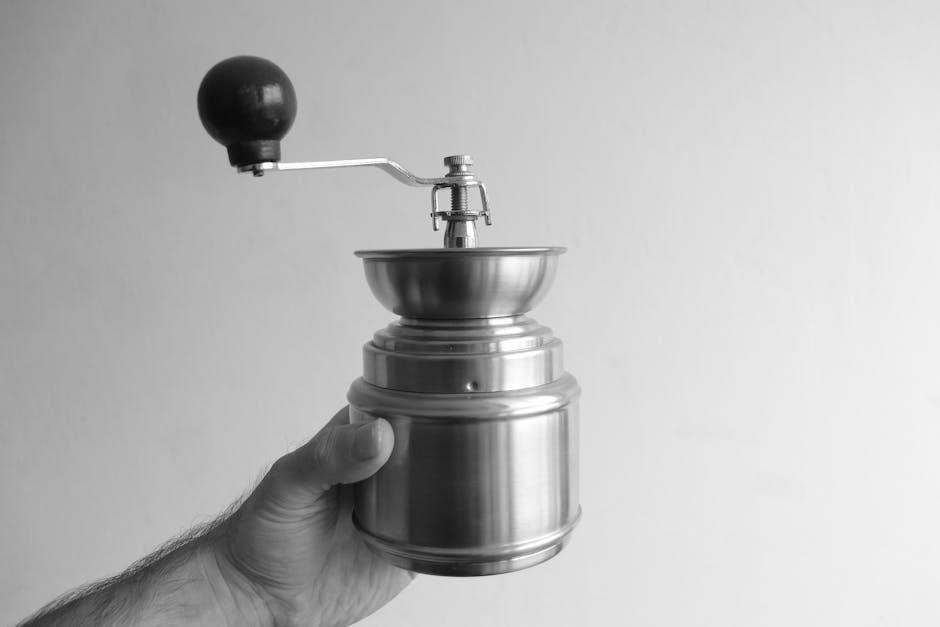
The Grinders Manual: A Comprehensive Guide
Dive into the world of coffee perfection! This guide explores manual grinders, offering insights into achieving café-quality brews with ease and precision, from bean to cup.
Coffee grinding is the cornerstone of exceptional coffee brewing. It’s the pivotal step that unlocks the complex flavors hidden within whole beans, transforming them into the aromatic foundation of your daily ritual. Unlike pre-ground coffee, which rapidly loses its volatile compounds and freshness, grinding your own beans immediately before brewing preserves those crucial oils and aromas.
The consistency of the grind dramatically impacts the extraction process. Too coarse, and the water flows through too quickly, resulting in a weak, sour cup. Too fine, and it over-extracts, leading to bitterness. Mastering the art of coffee grinding, therefore, is essential for consistently achieving a balanced and flavorful brew. This manual will guide you through every aspect, ensuring you unlock the full potential of your coffee beans;
Why Use a Manual Grinder?
Embrace the control and quality of manual coffee grinding. While electric grinders offer convenience, manual grinders provide a uniquely tactile and precise experience. They empower you to connect with the process, appreciating the transformation of whole beans into fragrant grounds. Manual grinders are also incredibly versatile, perfect for home, travel, or even off-grid adventures – no electricity needed!
Beyond portability, manual grinders often deliver superior grind uniformity, especially compared to entry-level electric models. This consistency is crucial for optimal extraction and a balanced cup. They are also significantly quieter, allowing for peaceful morning routines. Ultimately, choosing a manual grinder is a commitment to quality and a deeper appreciation for the art of coffee brewing.
Benefits of Manual Grinders Over Electric
Manual grinders distinguish themselves with distinct advantages. Unlike electric counterparts, they boast exceptional portability and silence – ideal for travel or quiet mornings. They eliminate the need for electricity, offering independence and reliability. More importantly, many manual grinders, particularly burr models, achieve superior grind consistency, crucial for nuanced flavor extraction.
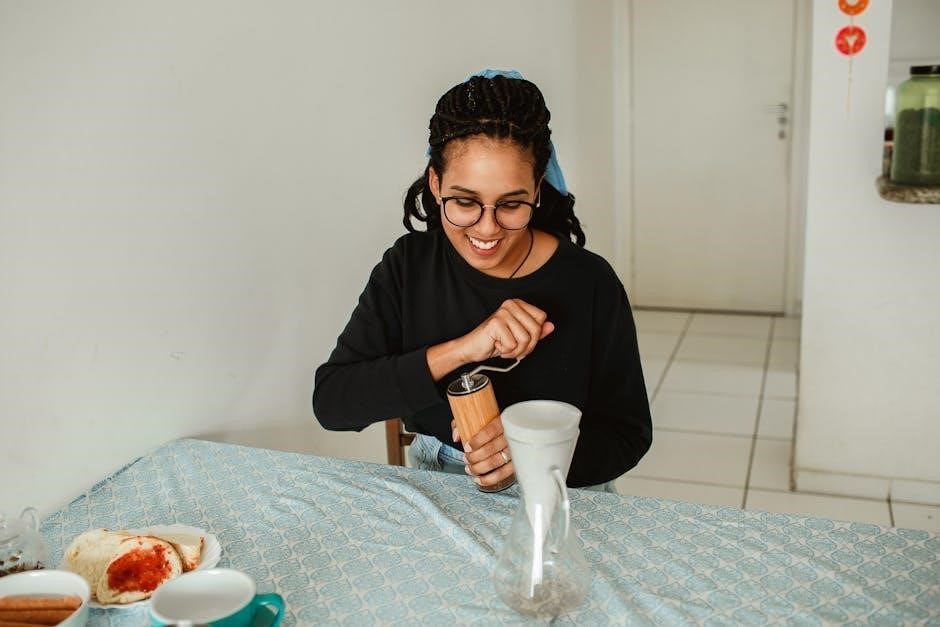
Electric grinders can generate heat during operation, potentially impacting bean aromatics. Manual grinding avoids this issue, preserving the coffee’s delicate flavors. Furthermore, manual grinders often represent a more affordable entry point to high-quality grinding, offering excellent value. They also tend to be more durable and require less maintenance than complex electric machines.
Types of Manual Coffee Grinders
Explore the diverse world of manual grinders! Discover the key distinctions between burr and blade grinders, and delve into conical versus flat burr designs.
Burr Grinders vs. Blade Grinders
The core of coffee grinding lies in the grinder’s mechanism. Burr grinders, utilizing two revolving abrasive surfaces (burrs), crush beans between them, yielding a consistent grind size crucial for optimal extraction. This consistency unlocks nuanced flavors in your brew. Conversely, blade grinders chop beans with a spinning blade, similar to a spice grinder.
While more affordable, blade grinders produce an inconsistent grind – a mix of boulders and dust – leading to uneven extraction and a muddied, bitter taste. Burr grinders offer superior grind uniformity, essential for methods like pour-over and espresso. Manual burr grinders, in particular, provide control and portability, making them ideal for coffee enthusiasts seeking precision and quality.
Conical Burr Grinders
Conical burr grinders represent a popular choice within the manual grinder landscape. They feature a cone-shaped burr that nests inside a ring-shaped burr, drawing beans downwards for grinding. This design typically operates slower than flat burr grinders, generating less heat and preserving delicate coffee aromas.
Conical burrs excel at producing a broad range of grind sizes, making them versatile for various brewing methods – from coarse French press to finer espresso. They are often quieter in operation and tend to retain less coffee grounds. Many manual grinders favored by home baristas utilize conical burrs due to their balance of performance, affordability, and ease of use, delivering a consistently flavorful cup.
Flat Burr Grinders
Flat burr grinders employ two parallel, ring-shaped burrs to crush coffee beans between them. This configuration generally allows for faster grinding speeds compared to conical burrs, though potentially generating more heat; They are often favored by those prioritizing speed and a very uniform grind particle size distribution.
Flat burrs are known for their ability to produce exceptionally consistent grounds, particularly beneficial for espresso brewing where precision is paramount. While traditionally more common in commercial settings, high-quality manual flat burr grinders are emerging for discerning home users. They can sometimes be more challenging to adjust and may exhibit slightly more static cling, but deliver exceptional clarity in the final brew.

Key Components of a Manual Grinder
Explore the essential parts! From burrs and hoppers to handles and grind adjustment mechanisms, understand how each element contributes to a superior grinding experience.
Burrs (Material & Design)
Burrs are the heart of any grinder, dictating grind quality and consistency. They come in various materials, each offering unique characteristics. Stainless steel burrs are popular for their durability and resistance to wear, providing a long-lasting, reliable grinding experience. Ceramic burrs, on the other hand, retain less heat during grinding, preserving delicate coffee aromas and flavors.
The design of the burrs – whether conical or flat – also significantly impacts performance. Conical burrs tend to produce a more uniform grind with less fines, ideal for filter coffee methods. Flat burrs excel at producing a very consistent grind size, often favored by espresso enthusiasts. The shape and arrangement of the cutting edges on the burrs determine how efficiently they break down the coffee beans, influencing both grind speed and particle size distribution.
Hopper & Bean Capacity
The hopper is the reservoir that holds your coffee beans before they enter the grinding chamber. Its size, or bean capacity, is a crucial consideration, especially for those grinding for multiple people or larger brewing batches. Hoppers are typically made of plastic or glass, with glass offering visibility of the beans.
Capacity varies significantly between models, ranging from holding a single dose for one cup to accommodating several ounces for family-sized pots. A larger hopper reduces the need for frequent refills, streamlining the grinding process. However, larger hoppers can expose beans to more air, potentially diminishing freshness over time. Consider your typical usage and storage habits when selecting a grinder with an appropriate hopper size.
Grind Adjustment Mechanism
A precise grind adjustment is paramount for extracting optimal flavor from your coffee beans. Manual grinders employ various mechanisms to control the distance between the burrs, dictating the fineness or coarseness of the grind. Stepped adjustments offer pre-defined settings, providing consistency but limiting fine-tuning.
Stepless adjustments, conversely, allow for infinite settings, granting ultimate control over grind size. This is particularly valuable for dialing in espresso. The mechanism itself can be a dial, a lever, or a rotating collar. Look for a mechanism that feels solid and provides clear feedback, ensuring repeatable and accurate adjustments for consistently delicious coffee.
Handle & Ergonomics
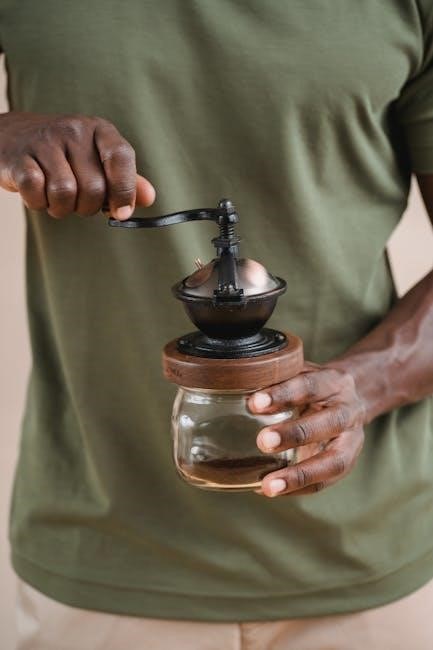
The handle is your direct interface with the grinding process, making ergonomics crucial for a comfortable experience. Handle design varies significantly – from straight, minimalist designs to curved, more substantial grips. Consider the material; wood, metal, and composite materials each offer a different feel.
A longer handle generally provides more leverage, reducing the effort required for grinding, especially with harder beans. Look for a handle that fits comfortably in your hand and allows for a smooth, consistent grinding motion; Rubberized grips or textured surfaces can enhance control and prevent slippage, ensuring enjoyable and efficient coffee preparation.
Catch Cup/Grounds Container
The catch cup or grounds container is essential for collecting your freshly ground coffee. Materials commonly used include glass, plastic, and stainless steel, each impacting static cling and ease of cleaning. A well-designed container should securely attach to the grinder body, preventing spills during operation and transfer.
Capacity varies between models; consider your typical brewing volume when choosing a grinder. Some grinders feature anti-static designs to minimize grounds sticking to the container walls. Look for containers that are easy to remove, empty, and clean, ensuring a hygienic coffee-making process. A properly designed catch cup enhances the overall user experience.
Grind Size & Coffee Brewing Methods
Matching grind size to brewing is key! Different methods—French Press, pour-over, espresso—demand specific consistencies for optimal extraction and flavor profiles.
Grind Size for French Press
For the immersive French Press experience, a coarse grind is paramount. Think about the texture of sea salt – that’s the visual cue you’re aiming for. A coarser grind minimizes sediment passing through the mesh filter, resulting in a cleaner, fuller-bodied cup. Finer grinds will lead to over-extraction and a muddy, bitter brew.
The larger particles also allow for a longer steeping time, crucial for extracting the rich flavors inherent in French Press coffee. Experiment slightly to find your sweet spot, but consistently aim for that coarse, sea-salt-like consistency. This ensures a delightful and satisfying French Press experience every time, maximizing flavor and minimizing unwanted grit.
Grind Size for Pour-Over
Achieving the perfect pour-over demands a medium-fine grind, resembling granulated sugar. This consistency allows for optimal water flow and extraction, highlighting the nuanced flavors of your chosen coffee beans. Too coarse, and the water will rush through, resulting in a weak, under-extracted brew. Too fine, and it will clog the filter, leading to a bitter, over-extracted taste.
The goal is a balanced extraction, showcasing the coffee’s acidity, sweetness, and body. Fine-tune your grind based on your specific pour-over device and brewing technique. Consistent grind size is key for repeatable, exceptional results, unlocking the full potential of your pour-over ritual.
Grind Size for Espresso
Espresso demands the finest grind – a texture akin to powdered sugar. This ultra-fine consistency creates the necessary resistance for pressurized brewing, extracting a concentrated, flavorful shot. Achieving this level of fineness with a manual grinder requires precision and patience. Even slight variations can dramatically impact the espresso’s quality.
A grind that’s too coarse will result in a fast, weak, and sour espresso (under-extraction). Too fine, and the machine will struggle, producing a bitter, burnt-tasting shot (over-extraction). Dialing in the perfect grind is crucial, demanding careful adjustments and experimentation to unlock the rich crema and complex flavors of a truly exceptional espresso.
Understanding Grind Consistency
Uniformity is paramount when it comes to coffee grinding. Consistent particle size ensures even extraction, leading to balanced and flavorful brews. Inconsistent grinds – a mix of boulders and fines – result in uneven extraction, producing both bitter and sour notes simultaneously; Manual grinders, particularly burr grinders, excel at achieving this consistency.
Visual inspection can help assess grind quality. Look for a homogenous texture without large chunks or excessive dust. A consistent grind maximizes the surface area exposed to water, optimizing flavor extraction. Investing in a quality grinder and mastering grind adjustment are key to unlocking your coffee’s full potential and enjoying a truly refined cup.
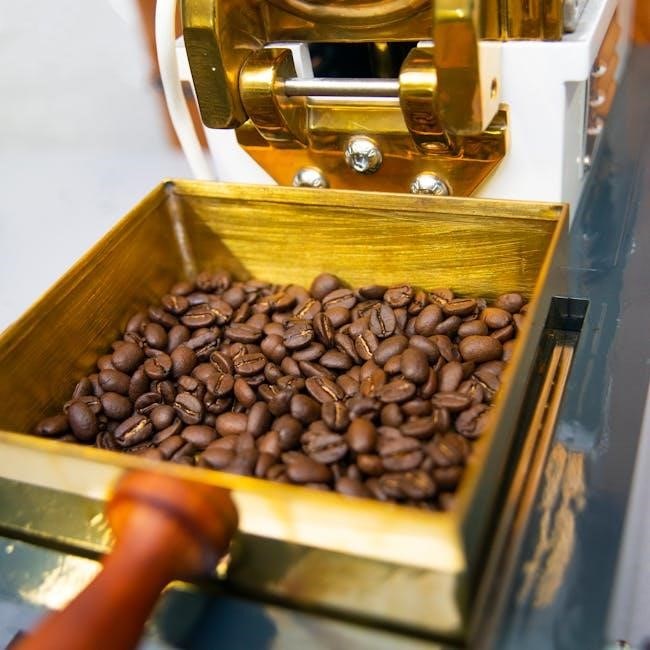
Using Your Manual Grinder: A Step-by-Step Guide
Embark on the grinding process! This section details preparing your grinder, efficiently grinding beans, and precisely adjusting the grind size for optimal results.
Preparing the Grinder
Before your first grind, ensure your manual coffee grinder is clean and ready for action. Carefully inspect all components, verifying the burrs are securely in place and free from any debris. A quick wipe-down of the hopper and catch cup is recommended to maintain optimal hygiene and prevent flavor contamination.
Next, familiarize yourself with the grind adjustment mechanism. Understanding how to navigate the settings is crucial for achieving the desired consistency for your chosen brewing method. Begin with a coarser setting and gradually adjust finer as needed. Finally, ensure the handle is firmly attached and ready for a smooth, consistent grinding experience. Proper preparation sets the stage for a truly exceptional cup of coffee!
Grinding the Coffee Beans
With your grinder prepared, it’s time to transform whole beans into fragrant grounds. Gently pour the desired amount of coffee beans into the hopper, avoiding overfilling. Begin turning the handle with a steady, consistent rhythm. Resist the urge to rush; a slower, deliberate pace promotes a more uniform grind.
Pay attention to the resistance – it will vary depending on the bean type and grind setting. Continue grinding until all beans have passed through the burrs and collected in the catch cup. Avoid applying excessive force, as this could damage the grinder. The satisfying aroma is a sign of a successful grind, ready for brewing!
Adjusting Grind Size
Achieving the perfect grind is crucial for optimal extraction. Most manual grinders feature a grind adjustment mechanism, often a stepped or stepless dial. Experimenting is key! For coarser grinds (French Press), turn the dial towards a larger number or loosen the adjustment. Finer grinds (Espresso) require turning the dial towards a smaller number or tightening it.
Make small adjustments and test your brew. A grind that’s too coarse results in weak, sour coffee, while a grind that’s too fine leads to bitterness. Note the settings that work best for your preferred brewing method and beans – consistency is paramount!
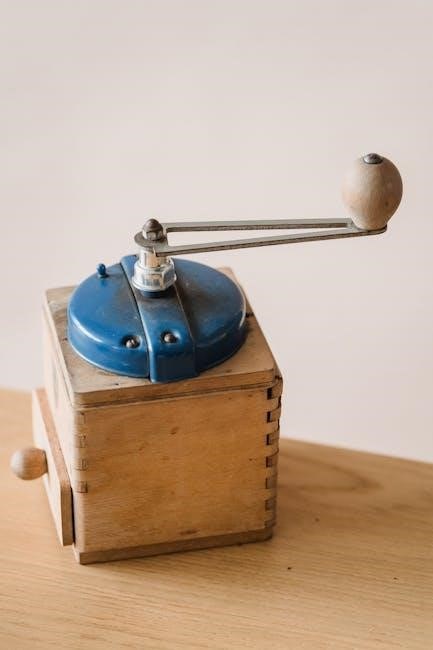
Maintaining Your Manual Grinder
Keep your grinder in top condition! Regular cleaning, burr maintenance, and proper storage ensure longevity and consistently excellent coffee grounds for years to come.
Cleaning Your Grinder
Regular cleaning is crucial for optimal performance. After each use, disassemble the grinder as much as possible, referring to your manual for specific instructions. Remove any remaining coffee grounds using a soft brush – avoid water on the burrs if possible. For a deeper clean, occasionally use grinder cleaning tablets or rice (in small amounts) to absorb oils and residue.
Wipe down the exterior with a damp cloth. Pay attention to the catch cup and hopper, ensuring they are free of oils. Avoid harsh detergents or abrasive cleaners, as these can damage the grinder’s components. Thoroughly dry all parts before reassembling. Consistent cleaning prevents buildup, maintains grind quality, and extends the life of your manual grinder.
Burr Maintenance & Replacement
Burrs are the heart of your grinder; proper care is essential. While avoiding water is generally recommended, occasional gentle brushing can remove fine particles. Over time, burrs will wear down, impacting grind consistency. The lifespan depends on bean type and usage frequency.
Signs of wear include inconsistent grind size and increased grinding effort. Replacement burrs are available from the manufacturer; ensure you purchase the correct type for your model. Replacing burrs restores grind quality and extends the grinder’s useful life. Consider this a long-term investment in consistently excellent coffee.
Storage & Care
Proper storage protects your investment and ensures longevity. After each use, thoroughly clean your manual grinder to remove coffee oils and residue. Store it in a cool, dry place, away from direct sunlight and moisture. A dedicated storage bag or box can prevent dust accumulation.
Avoid disassembling the grinder more than necessary for cleaning. Handle the burrs with care, as they are delicate. Regular maintenance, combined with careful storage, will keep your grinder performing optimally for years, consistently delivering exceptional coffee grounds.
Top Manual Grinder Brands
Explore premium options! Discover renowned brands like Baratza, Ceado, and Mahlkoenig, celebrated for their quality, durability, and exceptional grinding performance.
Baratza Manual Grinders
Baratza consistently earns high praise for its commitment to quality and innovation in the coffee grinding world. While primarily known for their electric grinders, their manual offerings deliver the same precision and reliability. Baratza manual grinders are often favored by coffee enthusiasts seeking a portable and consistent grinding solution.
These grinders typically feature durable construction and user-friendly designs, making them accessible to both beginners and experienced baristas. They excel in providing a uniform grind, crucial for optimal extraction in various brewing methods. Baratza’s focus on repairability and readily available parts further enhances their appeal, ensuring longevity and minimizing waste. Expect a smooth grinding experience and a noticeable improvement in your coffee’s flavor profile when choosing a Baratza manual grinder.
Ceado Manual Grinders
Ceado, a brand celebrated for its high-end electric grinders, extends its precision engineering into the realm of manual coffee grinding. Ceado manual grinders are designed with a focus on professional-grade performance and aesthetic appeal, often featuring sleek, modern designs and robust build quality. They cater to discerning coffee lovers who demand exceptional grind consistency.
These grinders typically employ high-quality burrs, ensuring minimal fines and a uniform particle size distribution. This translates to a cleaner, more balanced cup of coffee. Ceado’s manual options are often a favorite among those prioritizing control over their grind and seeking a premium grinding experience. Investing in a Ceado manual grinder means embracing both form and function.
Mahlkoenig Manual Grinders
Mahlkoenig, a name synonymous with professional-grade coffee grinding, also offers meticulously crafted manual grinder options for the dedicated home barista. Known for their durability and precision, Mahlkoenig manual grinders deliver exceptional grind quality, rivaling their electric counterparts. These grinders are built to last, utilizing robust materials and thoughtful engineering.
They prioritize consistent particle size, crucial for optimal extraction and a flavorful cup. Mahlkoenig’s manual grinders often feature ergonomic designs for comfortable operation and precise grind adjustments. Choosing a Mahlkoenig manual grinder signifies a commitment to quality and a desire for complete control over the grinding process, ensuring a superior coffee experience.
Troubleshooting Common Issues
Encountering problems? This section addresses typical challenges like uneven grinds, handle resistance, and static cling, offering solutions for a smoother grinding experience.
Uneven Grind
Identifying and resolving an uneven grind is crucial for optimal coffee extraction. Several factors can contribute to this issue. Firstly, ensure your grinder burrs are properly aligned; misalignment leads to inconsistent particle sizes. Secondly, check for obstructions within the grinding chamber – old coffee grounds can accumulate and disrupt the process.
Calibration is also key. Regularly verify your grind setting, as burrs wear down over time, subtly altering the grind size. If static cling is present, it can cause fines (very small particles) to adhere to the burrs and walls, contributing to inconsistency. Consider using anti-static solutions or wiping the grinder with a damp cloth (ensure it’s completely dry before use!). Finally, a consistent grinding technique – a steady, even turn of the handle – is vital for uniform results.
Difficulty Turning the Handle
Encountering resistance while grinding can stem from several causes. The most common is attempting to grind too much coffee at once; reduce the bean quantity for easier operation. Secondly, the grind setting might be too fine – finer grinds require significantly more force. Adjust to a coarser setting and reassess. Ensure the burrs are clean and free of accumulated coffee oils and grounds, as these create friction.
Lubrication can also help. A tiny amount of food-grade lubricant (specifically designed for coffee grinders) applied to the burr axle can reduce friction. However, avoid over-lubrication! Finally, check for any physical obstructions within the grinding mechanism. If the issue persists, it might indicate a problem with the burr assembly itself, potentially requiring professional attention.
Static Cling
Static electricity is a frequent annoyance when grinding coffee, causing grounds to cling to the grinder and your hands. Dry beans and low humidity exacerbate this issue. A simple solution is to introduce humidity – lightly misting the beans with a few drops of water before grinding can significantly reduce static. Be cautious not to over-wet them!
Alternatively, wiping the inside of the grinder with a damp cloth before use helps. Some users also recommend using an anti-static brush or even a dryer sheet (though ensure it doesn’t impart any scent). Proper grounding of the grinder can also minimize static buildup. Experiment with these methods to find what works best in your environment and with your specific grinder.